Have you ever wondered why we call it Mother Nature?
Why is the planet referred to as feminine? Why Mother Earth, especially when the language that named it emerged in societies that were largely patriarchal?
Philosophers have a way of helping us see ordinary things differently. One concept they often use is called making the familiar strange. It simply means pausing long enough to question ideas we have repeated for so long that we rarely examine them.
Mother Nature is one of those ideas.
Why “mother”?
Perhaps because, like women, nature nourishes. It shelters. It sustains life quietly and consistently. It gives more than it takes. It absorbs our excesses and still finds a way to renew itself. It carries the weight of survival for entire ecosystems without recognition.
The name may not have been chosen consciously as tribute, but in many ways it fits.
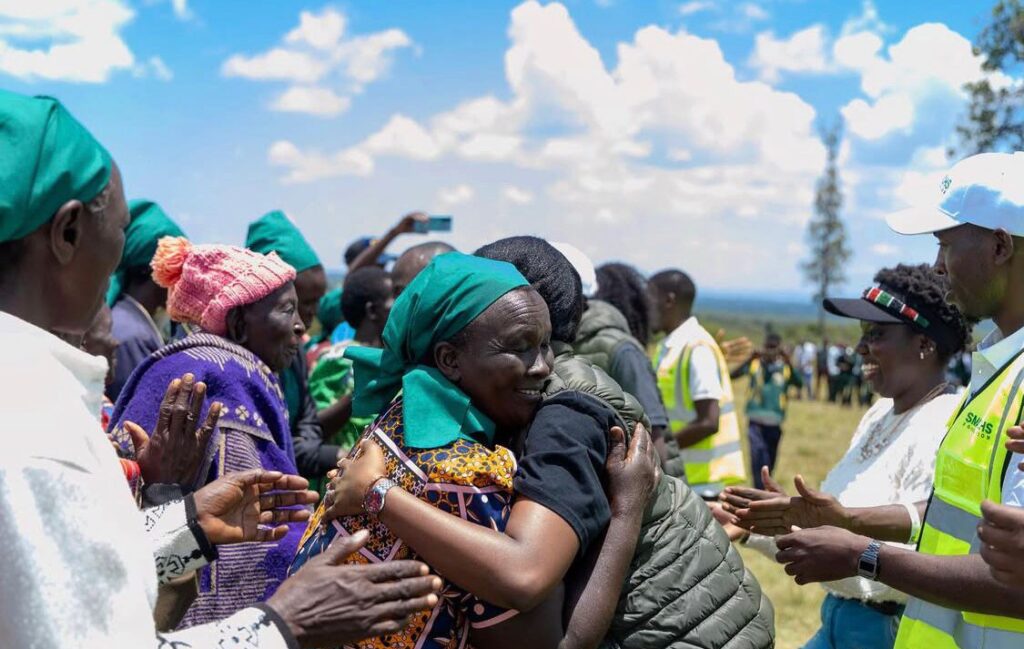
Because across the world, and especially in Agriculture, women play a role strikingly similar to the one we attribute to nature itself. They nurture systems that sustain life.
In Kenya, women remain central to agriculture and food production. According to the Food and Agriculture Organization, women make up about 43% of the agricultural labor force globally and produce a significant share of food in developing countries. In Sub Saharan Africa, they are estimated to produce up to 60% of the food consumed locally.
Kenya reflects this reality. Women are deeply involved in planting, weeding, harvesting, processing, and marketing farm produce, particularly in smallholder systems that feed most rural households. Yet despite their contribution, women own less land and often have less access to credit, training, and agricultural inputs compared to men, a gap that the World Bank notes continues to limit productivity across the sector.
Still, women continue to shape agriculture in powerful ways. Across Kenya and the wider continent, women farmers are adopting climate responsive farming practices, diversifying crops, leading cooperative groups, and building agricultural enterprises that sustain families and communities.
At SMACHS Foundation, this is something we see consistently in our work. Women are often among the most active participants in agricultural training and among the quickest to adopt climate responsive farming methods that strengthen resilience at the household level. Their role goes beyond farming itself. It is about safeguarding food security and stability within their communities.
Which brings us back to the idea of Mother Nature.
Perhaps the phrase endured not just as poetry, but as quiet recognition of a deeper truth. The systems that sustain life often depend on steady care, patience, and responsibility. For generations, women have carried much of that responsibility within agriculture.
So the next time you sit down to enjoy your meal, remember there is a sixty percent chance that a woman, as selfless as Mother Nature herself, played a role in bringing that food to your table.